

Here in Bridgeport, weather has always done more than fill the forecast—it shapes our days and defines our neighborhood character. As climate trends evolve, you’re likely to notice changes in seasons, extremes in weather, and impacts on environment that affect all of us. Below, I break down what’s coming, what’s happening already, and what we can expect.
Bridgeport’s Climate & Seasonal Basics
Bridgeport lies in coastal southwestern Connecticut, where climate leans toward humid subtropical in summer and borderlines cooler in winter. Average summer highs run in the low 80s℉, while winter lows dip into the mid-20s. Precipitation is spread fairly evenly throughout the year, and coastal areas tend to see milder winters compared to inland parts of the state. Temperatures average around 52-53°F across the year. (Normals based on 1991-2020 data.)
What’s Changing: Warming, Less Frost, More Rain
Bridgeport and Connecticut as a whole are warming. Rising average temperatures are most noticeable in summer and fall. Winters are getting shorter—not just in how long they last, but in how cold they reach. Frost days (when temperatures fall below freezing overnight) are decreasing. What once was a long winter now ends sooner, altering local ecosystems and habits.
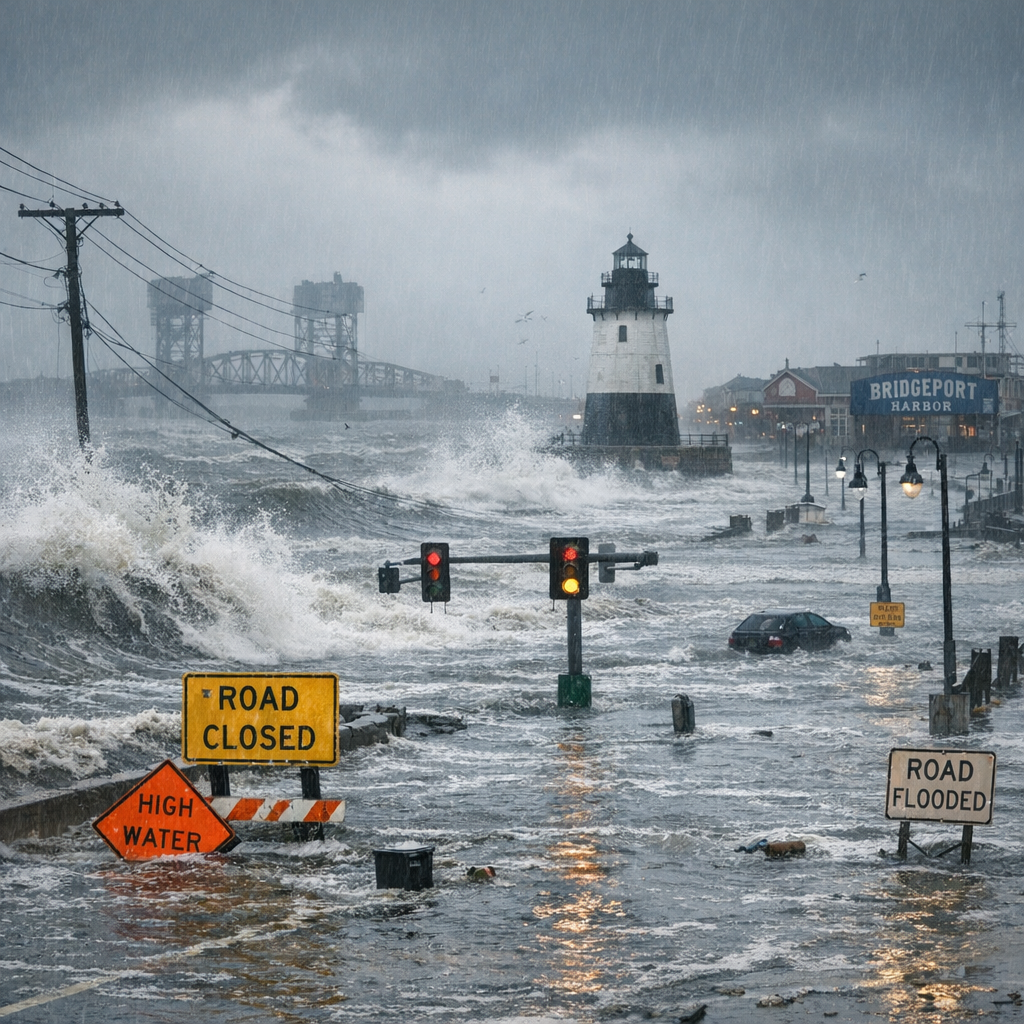
Along with warming, precipitation patterns are shifting. Spring and winter are seeing increases in rainfall and more frequent heavy rain events. At the same time, summer and fall may be harder hit by droughts, especially as hotter temperatures drive evaporation. Coastal flooding, during storms or extreme tides, is also a growing concern for low-lying parts of town.
Impacts On Nature, Places & Daily Life
Bird migrations, blooms, and leaf-change cycles are shifting. Trees that used to burst into color in early October may show peak foliage later, particularly near the coast. Wildlife is responding too—some species more vulnerable to heat or habitat loss are declining, while others are expanding into new areas.
Our city’s infrastructure is challenged. Older neighborhoods with large amounts of pavement see “heat island” effects—hotter nights, more discomfort. Stormwater drainage becomes critical when downpours come fast, leading to street flooding or overwhelmed sewers. There’s also concern about pollution and water quality, especially around harbors during heavy rainfall.
How People Can Adapt & Make a Difference
- Plant trees and protect existing green space—shade cools cities.
- Support or demand climate-resilient infrastructure: better drainage, resilient utility systems.
- Reduce energy use—cooling/ heating more efficiently helps both bills and carbon emissions.
- Stay informed—keep an eye on weather alerts, especially for storms or high tide flooding.
- Engage in community planning—local decisions on land use, coastal protection, and open space matter.
Looking Ahead
If trends continue—without major interventions—Bridgeport in coming decades may see more intense heat waves, fewer snow days, but heavier winter storms, rising sea levels, and altered ecosystems. While some changes are unavoidable, many are in our power to influence.
Climate isn’t just an abstraction—it’s where we live. And when we understand changes unfolding around us, we can act to protect the places we love, the seasons we cherish, and the future ahead.