

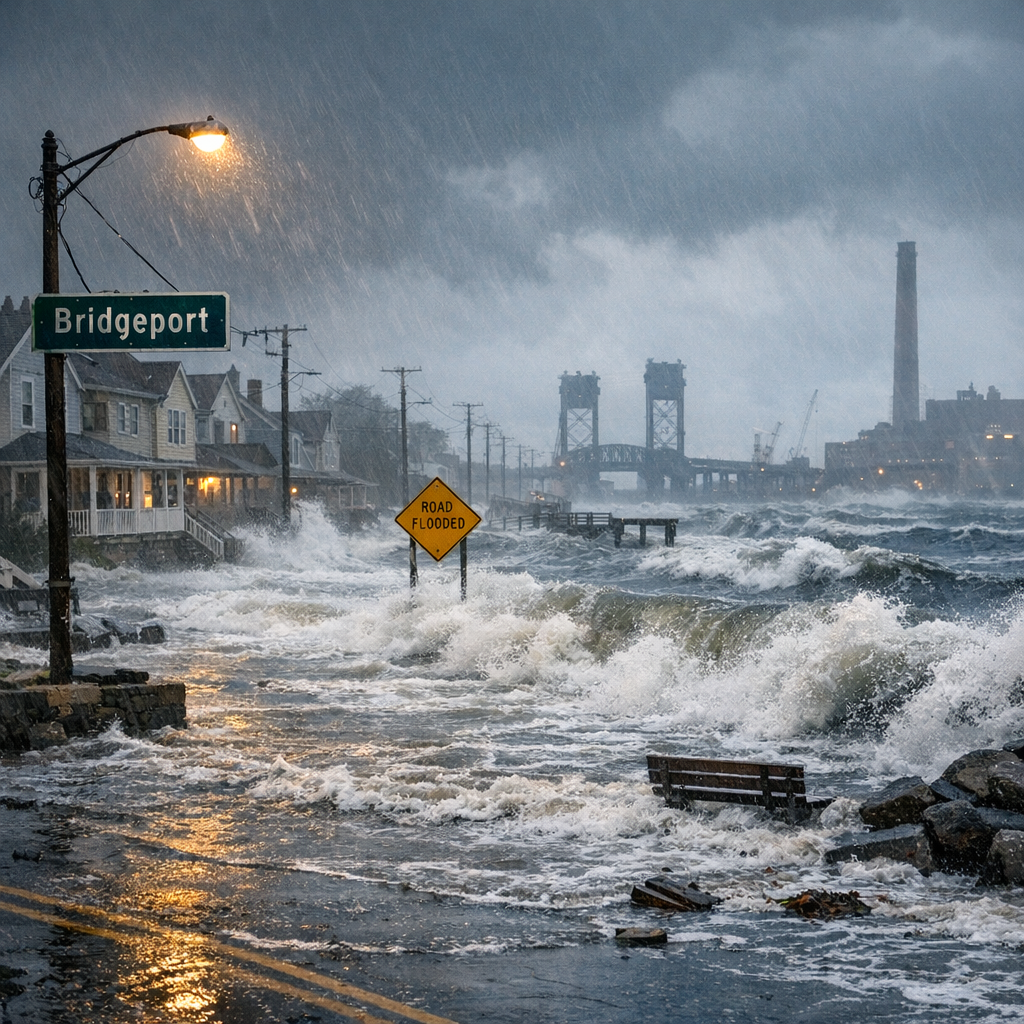
Hello, Bridgeport friends. It’s Ethan Ortiz here with a closer look at how our weather and environment are changing in ways both subtle and serious—and what locals should keep in mind as we move through the seasons.
Climate Trends at a Glance
Bridgeport lies on Connecticut’s southern coast, where its climate balances between humid continental and humid subtropical zones. Summers bring long stretches of heat and humidity; winters are cooler and more variable, with rain or wet snow being more common than the deep snow inland. We usually get about 29 inches of snow annually, a growing season that lasts roughly 210 days—from early April through November—and precipitation fairly evenly spread through the year.
What’s Changing—and Why It Matters
Warmer Winters, Longer Summers
Winter temperatures have been rising faster than in other seasons, reducing the number of frost days and shifting snow toward rain. Meanwhile, we’re seeing more summer-like warmth that lingers into autumn—delaying the first freezes and extending the period when plants can grow and thrive.
More Intense Rain, Risk of Flooding
Bridgeport’s coast means we feel the effects of rising seas more immediately than many inland areas. Combined with heavier downpours—especially in winter and spring—flooding and coastal erosion are increasing threats. Stormwater systems designed for older, gentler patterns are under growing pressure.
Environmental Legacies Still Matter
Old industrial sites, polluted soils, and combined sewer-stormwater systems remain challenges. During heavy rains, untreated runoff can carry pollutants into waterways and Long Island Sound, hurting water quality and aquatic life.
What Residents Can Do
- Support green infrastructure—rain gardens, permeable pavement, wetlands restoration—to slow and filter runoff.
- Stay informed about coastal and floodplain developments. Buy flood insurance even if you’re not required—rising sea levels can shift what “safe ground” means.
- Plant trees and support our urban canopy. More shade cools neighborhoods during heatwaves.
- Be ready for variability: record what happens around you (flooding, sweltering nights, early freezes) and advocate for local planning that reflects the changing climate.
Looking Ahead
Climate experts expect more warming—especially in late summer and fall—fewer frost days, increases in winter and spring precipitation, and more frequent heavy rain events. Bridgeport’s coastal identity gives it both more risks and more reasons to lead on resilience. Local planning, infrastructure investment, and community-led environmental efforts will be essential.
As always, I’ll be keeping tabs on how these trends show up in our daily lives—from the arrival of spring blooms to high-water alerts. If you’re seeing something odd or striking, I want to hear about it.